
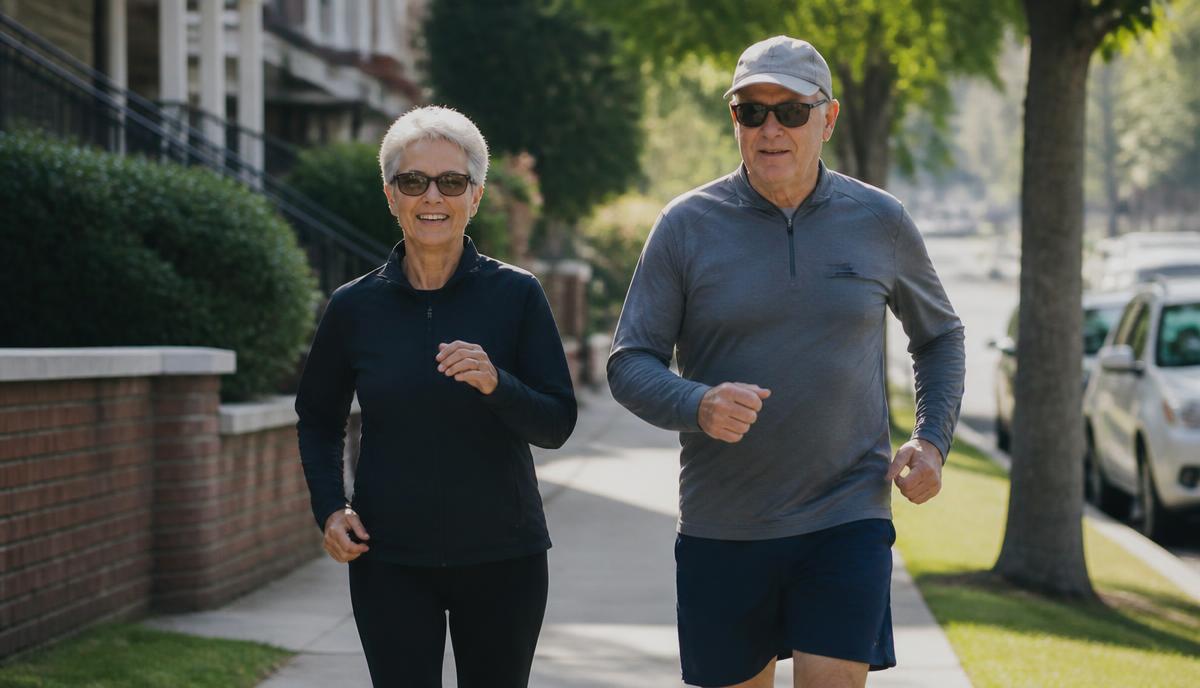
Getting Older Does Not Mean Giving Up Your Mobility
Getting Older Does Not Mean Giving Up Your Mobility
Somewhere along the way, a lot of people are told that stiff joints, a sore low back, and a slower walk are just part of getting older. At Faulkenberry Chiropractic in Little Rock, we hear it every week — usually from someone who has already given up gardening, golf, or grandkid-chasing because moving hurts. Age does change your body, but it does not have to cost you your independence. Chiropractic care for seniors is built around one goal: keeping you moving comfortably, safely, and on your own terms.
What Actually Changes in an Aging Spine and Joints
Spinal discs lose water content, cartilage thins, and the small joints of the spine develop wear-and-tear arthritis. Muscles lose strength faster after 60 unless they are challenged. Those changes are normal — but pain and lost function are not automatic. The MedlinePlus medical encyclopedia describes these age-related changes in bones, muscles, and joints in detail — and notes that staying active is what keeps them from turning into lost strength and mobility. The problem is that pain and stiffness are exactly what stop people from staying active, and inactivity then accelerates the stiffness. Breaking that loop is where care matters most.
Joint Stiffness Is a Movement Problem Before It Is a Pain Problem
Stiff spinal joints change the way you move. You rotate less, so you turn your whole body to look behind you. You bend less at the hips, so your low back takes the load. Over years, those substitutions overwork some tissues and under-use others. NIAMS notes that osteoarthritis management centers on keeping joints moving and muscles strong, not resting them. Gentle, targeted chiropractic adjustments and mobility work aim to restore the motion you have lost so your body stops compensating. If arthritis is the driver, our approach to arthritis care focuses on comfort and function rather than fighting the X-ray.
Balance, Falls, and Why Mobility Is a Safety Issue
Mobility is not only about comfort. According to the CDC, falls are the leading cause of injury among adults 65 and older, and reduced strength, balance, and gait changes are major contributors. When your hips and mid-back move well and your feet give you honest feedback from the ground, you react better to an uneven sidewalk. That is why balance and coordination work is part of care for many of our older patients — and why we often pair adjustments with ProBalance 360 balance training rather than treating pain in isolation.
Care Is Adjusted to Your Body, Not the Other Way Around
Older patients often hesitate because they picture forceful twisting. That is not what care has to look like. We frequently use low-force, instrument-assisted techniques that deliver a precise, gentle impulse to a specific joint — no twisting, no popping, no sudden movement. For patients with osteoporosis, prior surgeries, or joint replacements, that approach makes care comfortable and appropriate. Our chiropractic care page walks through the techniques we use and how we decide which one fits you.
What Progress Usually Looks Like
Most seniors we treat are not chasing a pain score of zero. They want to get out of a car without planning it, sleep through the night, carry groceries in one trip, and walk the dog without stopping. Those are the markers we track. Early visits focus on calming irritated tissue and restoring motion. From there, care shifts toward strength, balance, and the daily habits — short walks, standing up more often, better sleep positioning — that keep the gains. This kind of proactive approach to aging isn’t limited to one part of the country — Boardman Family Chiropractic works with patients in the Phoenix area who want to stay active and independent using many of the same movement-focused strategies.
Small Changes That Protect Mobility at Home
- Move every hour, even briefly. Long stretches of sitting stiffen joints faster than activity wears them out.
- Walk daily, on varied surfaces when it is safe, to keep balance reflexes sharp.
- Do something against resistance twice a week — bands, light weights, or standing up from a chair repeatedly.
- Wear supportive shoes indoors, not slick socks or worn-out slippers.
- Report new numbness, weakness, or a change in walking promptly rather than waiting it out.
You Do Not Have to Accept the Slow Fade
Getting older is not a reason to shrink your life. If stiffness or pain has started deciding what you do each day, that is worth addressing now — while the fix is still about mobility and strength rather than recovery from a fall. Contact our Little Rock office to schedule an evaluation, and we will build a plan around what you want to keep doing.
Frequently Asked Questions
Is chiropractic care safe for seniors?
Chiropractic care can be adapted for older adults, with gentle techniques chosen around each person's health and comfort.
How can chiropractic care support mobility in seniors?
Care focuses on joint motion, strength, and balance to help seniors keep up with everyday activities like walking and getting in and out of a car.
Do I need a referral to see a chiropractor?
No referral is usually needed. You can request an appointment with Faulkenberry Chiropractic directly.
Take the first step toward natural, lasting pain relief.
Talk with Dr. Faulkenberry about your symptoms and see if our non-surgical, root-cause approach is right for you.