
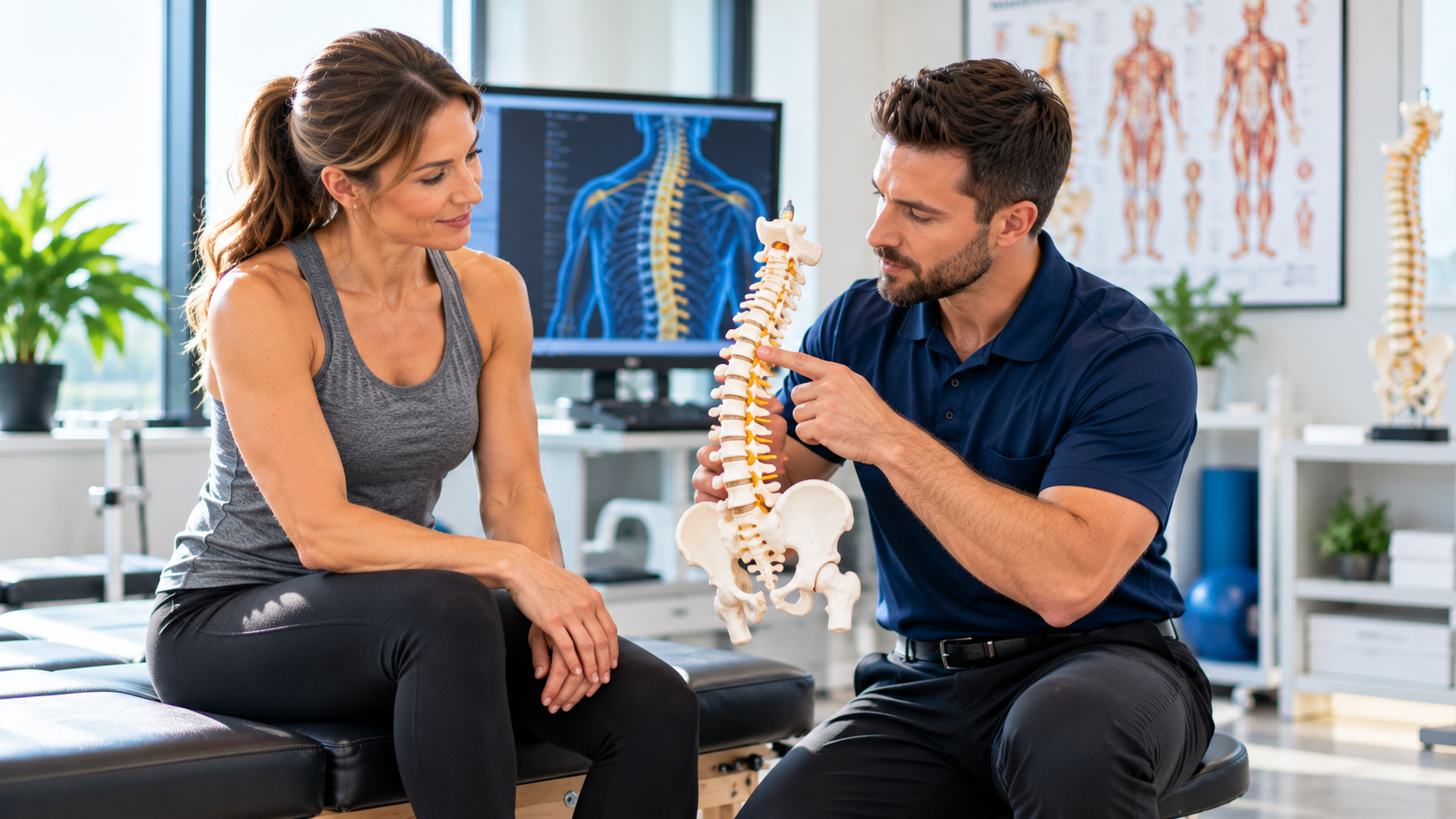
Restoring Movement Through Advanced Spinal Decompression
Back pain can make ordinary movement feel like a challenge. Getting out of a chair, walking around the neighborhood, or bending to put on shoes may become tasks you plan around discomfort. Advanced spinal decompression is one non-surgical option patients ask about when disc-related symptoms limit daily life. At Faulkenberry Chiropractic in Little Rock, AR, care begins with understanding the cause of your symptoms and the activities you want to regain.
How Spinal Pressure Can Affect Movement
Discs cushion the spaces between the bones of your spine. A herniated disc can irritate or press on a nearby nerve, sometimes causing pain, numbness, or weakness. MedlinePlus explains herniated discs and their symptoms, including how symptoms differ depending on the affected part of the spine. Not every disc change causes pain, so an examination matters more than assuming a scan finding explains everything.
Discomfort can also change your habits. You may shorten your walks, avoid bending, or tense your muscles to protect a painful area. Over time, reduced activity can make returning to your usual routine harder. The goal of care is to understand those limitations and choose appropriate ways to support comfortable movement.
What Is Advanced Spinal Decompression?
Non-surgical spinal decompression uses controlled traction: a gradual pulling and releasing force intended to reduce loading on the spine. Computer-guided systems allow providers to adjust treatment settings. Faulkenberry Chiropractic uses Accu-SPINA® for its spinal decompression program. The word “advanced” describes the technology, not a guarantee of better results.
Cleveland Clinic's overview of spinal decompression therapy discusses both non-surgical approaches and surgery. These are different treatments. The traction offered in a clinic does not involve an operation and should not be described as equivalent to surgical removal of pressure on a nerve.
Setting Realistic Expectations for Back Pain Relief
Advanced spinal decompression is intended to ease spinal loading, but that does not mean it permanently repairs a disc or reliably eliminates nerve compression. Some patients may report less discomfort or easier movement; others may not benefit. Evidence for traction is mixed, and it is not routinely recommended for every person with low back pain or sciatica.
NICE's guidance on exercise and physical activity encourages suitable movement for low back pain and sciatica and specifically advises against offering traction for these conditions. This is an important limitation to discuss when weighing care options. A computerized device alone is not proof of lasting recovery, and an individualized evaluation should include alternatives.
Restoring Movement Takes More Than a Treatment Session
A useful plan focuses on what you can do, not just a pain score. Walking farther, sitting more comfortably, or returning to a household task can be practical goals to review over time. Depending on your needs, rehabilitation therapy may help build strength, improve movement control, and gradually increase activity tolerance.
- Start with manageable activity. Ask which movements are suitable rather than pushing through worsening symptoms.
- Break up long periods of sitting. Change position and take brief movement breaks when comfortable.
- Progress gradually. Increase walking or prescribed exercises in steps that fit your symptoms and ability.
- Track daily function. Note what feels easier and what still causes difficulty, then share that at follow-up visits.
Long-term recovery depends on the underlying problem and may require medical care as well as rehabilitation. No single treatment can guarantee that back pain will not return.
Who Should Be Evaluated Before Considering Decompression?
Tell your provider about pregnancy, osteoporosis, fractures, previous spinal surgery, implanted devices, and other medical conditions. These details can affect whether traction is appropriate. New or worsening weakness needs prompt medical assessment. Loss of bladder or bowel control, numbness around the groin, or rapidly progressing leg weakness requires urgent medical attention rather than a routine decompression appointment.
Explore Your Options in Little Rock
If back pain is limiting your movement, a focused evaluation can help clarify the next step. At Faulkenberry Chiropractic, discuss your symptoms, previous treatment, and personal goals before choosing a plan. Request an appointment to learn whether advanced spinal decompression or another approach is appropriate for you.
Frequently Asked Questions
What is advanced spinal decompression?
Advanced spinal decompression usually refers to computer-guided, non-surgical traction intended to reduce loading on the spine. At Faulkenberry Chiropractic, the Accu-SPINA® system delivers controlled cycles. It is different from spinal decompression surgery.
Can spinal decompression restore movement?
Some patients may find movement easier if discomfort improves, but results vary. Evidence for traction is mixed, and exercise and rehabilitation remain important parts of supporting daily function. No treatment can guarantee restored mobility or lasting relief.
Is everyone with back pain a candidate for spinal decompression?
No. The cause of pain, medical history, and examination findings matter. Pregnancy, fractures, osteoporosis, previous surgery, or other health conditions may affect suitability. An evaluation is needed before deciding whether treatment is appropriate.
Take the first step toward natural, lasting pain relief.
Talk with Dr. Faulkenberry about your symptoms and see if our non-surgical, root-cause approach is right for you.