
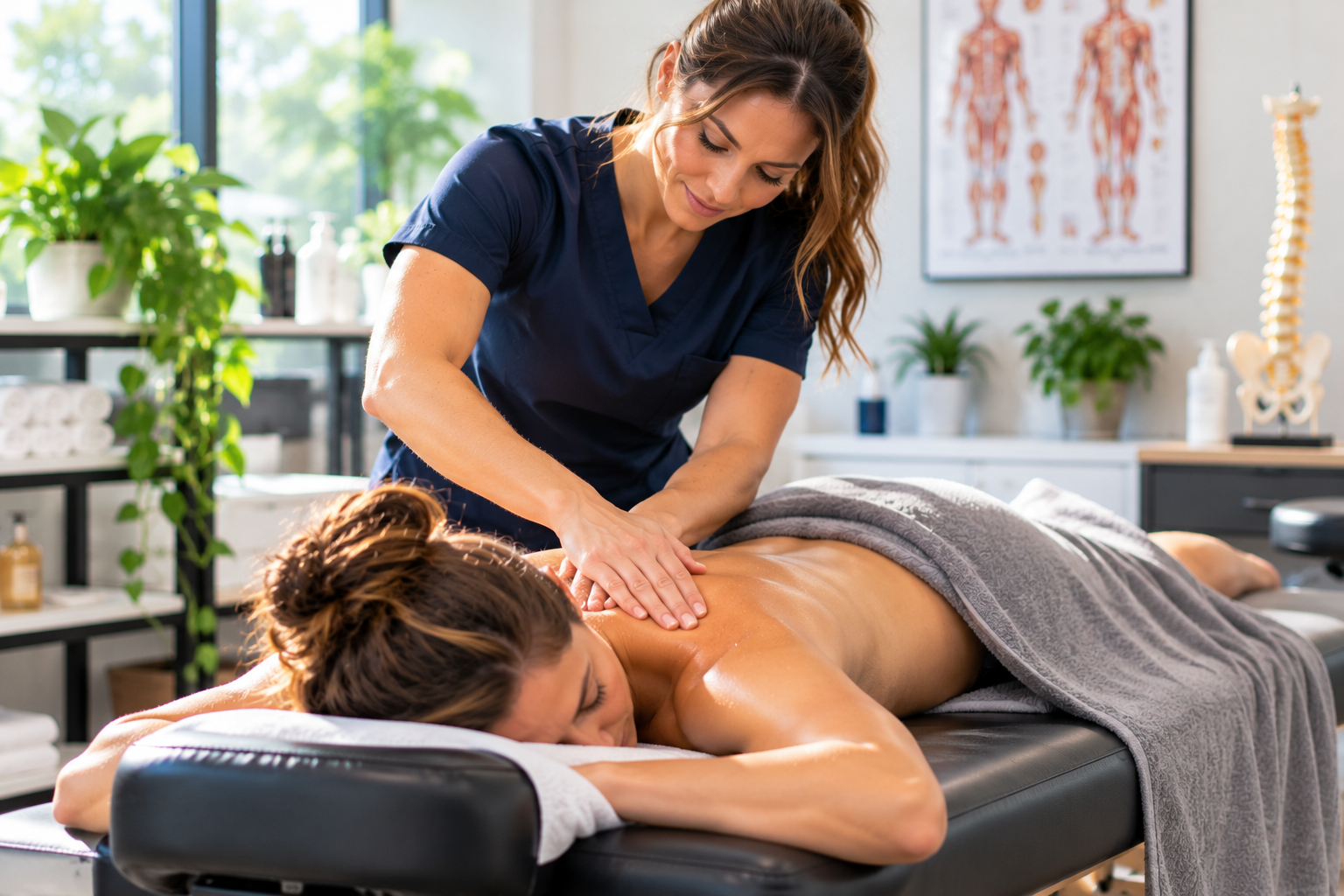
Restoring Comfort Through Professional Massage Therapy
A tight neck after a long workday, aching shoulders, or persistent muscle tension can make it harder to feel comfortable in your own routine. Massage therapy offers a hands-on approach to soft-tissue care that may help ease tension and support relaxation. At Faulkenberry Chiropractic in Little Rock, AR, the conversation starts with what you are feeling, how it affects your day, and whether massage is an appropriate option for you.
What Is Professional Massage Therapy?
Massage therapy involves working with the body's soft tissues, including muscles and connective tissue, using touch and varying amounts of pressure. A session can be adapted to a therapeutic goal rather than following the same routine for every person. Mayo Clinic's overview of massage therapy explains that massage may help ease pain, muscle stiffness, and tension while supporting relaxation. Benefits vary by condition, and more research is needed.
Our professional massage therapy service focuses on muscle tension and soft-tissue concerns. Tell your provider where you feel discomfort and which activities are difficult, such as turning your head, sitting through a meeting, or reaching overhead. Those details help make your goals specific and useful.
How Massage Therapy May Help Relieve Muscle Tension
Muscles can feel tight after repetitive tasks, sustained positions, or unfamiliar activity. Stress may also make it harder to relax. Hands-on work may help some people feel less tense and more comfortable, making everyday movement easier to approach. That does not mean every ache comes from a muscle or that massage can correct every underlying cause.
Professional care should not require you to endure sharp pain. Pressure can be adjusted, and you should be able to speak up throughout the session. A firmer massage is not automatically a better one. If a technique causes worsening pain, tingling, or numbness, tell the therapist so treatment can be changed or stopped.
Setting Realistic Expectations for Pain Relief
The National Center for Complementary and Integrative Health's massage therapy guide reviews research on several painful conditions. It notes that evidence for low-back pain is weak and that some benefits may be short-term. Massage is not a proven cure for chronic pain, and feeling better after a session does not establish that an injury has healed.
A helpful way to assess progress is to track a daily task alongside your symptoms. Does your neck feel more comfortable when you turn to look behind you? Is sitting at your desk easier? Share both improvements and setbacks. If symptoms persist or worsen, reassessment may be more useful than continuing the same approach indefinitely.
Supporting Comfort Beyond the Treatment Room
Massage therapy can be one part of a broader plan. Depending on your needs, rehabilitation therapy may help address strength and movement control. Soft-tissue care and guided exercise serve different purposes; temporary relief should not be mistaken for a replacement for building activity tolerance.
- Change position regularly. Break up long periods of sitting or repeated tasks with comfortable movement.
- Keep activity manageable. Ask which stretches or exercises fit your symptoms rather than pushing through sharp pain.
- Allow time to unwind. A consistent sleep routine and brief relaxation breaks can support general well-being.
- Review what helps. Note which habits make movement easier and discuss patterns with your provider.
Overall wellness means more than a single treatment. It includes appropriate activity, rest, and attention to health concerns that need medical care. Massage may support relaxation and comfort, but it cannot guarantee lasting pain relief or prevent every future problem.
What to Share Before Your Massage Appointment
Discuss recent injuries or surgery, medications, pregnancy, skin problems, and any ongoing medical conditions. Cleveland Clinic's guidance on myofascial release therapy describes a specific hands-on technique and explains why conditions such as fractures and blood clots can make it inappropriate. This reference does not mean every massage session uses that technique; it highlights why screening and a suitable approach matter.
Ask your healthcare professional whether massage is safe if you take blood-thinning medication, have fragile bones, or are recovering from an injury. New or worsening weakness or numbness needs medical assessment. Sudden chest pain, trouble breathing, or a swollen, painful calf should be assessed urgently rather than treated with massage.
Explore Massage Therapy in Little Rock
If muscle tension is getting in the way of comfortable daily activity, contact Faulkenberry Chiropractic to request an appointment at our Little Rock clinic. We can discuss your symptoms and goals, review whether professional massage therapy fits your needs, and explain when another approach or medical referral may be more appropriate.
Frequently Asked Questions
Can massage therapy help with muscle tension and pain?
Massage therapy may ease muscle tension and provide short-term relief for some types of pain. Results depend on the condition and the individual, and evidence varies. It should complement appropriate medical care rather than replace an evaluation of persistent symptoms.
Does professional massage therapy have to hurt to be effective?
No. Pressure should be adjusted to your comfort and health needs. Tell your therapist about sharp pain, numbness, or discomfort during treatment so the approach can be changed or stopped.
How often should I receive massage therapy?
There is no single schedule that suits everyone. The frequency depends on your symptoms, goals, response to care, and medical history. Review whether sessions are helping meaningful daily activities before deciding on ongoing treatment.
Take the first step toward natural, lasting pain relief.
Talk with Dr. Faulkenberry about your symptoms and see if our non-surgical, root-cause approach is right for you.