
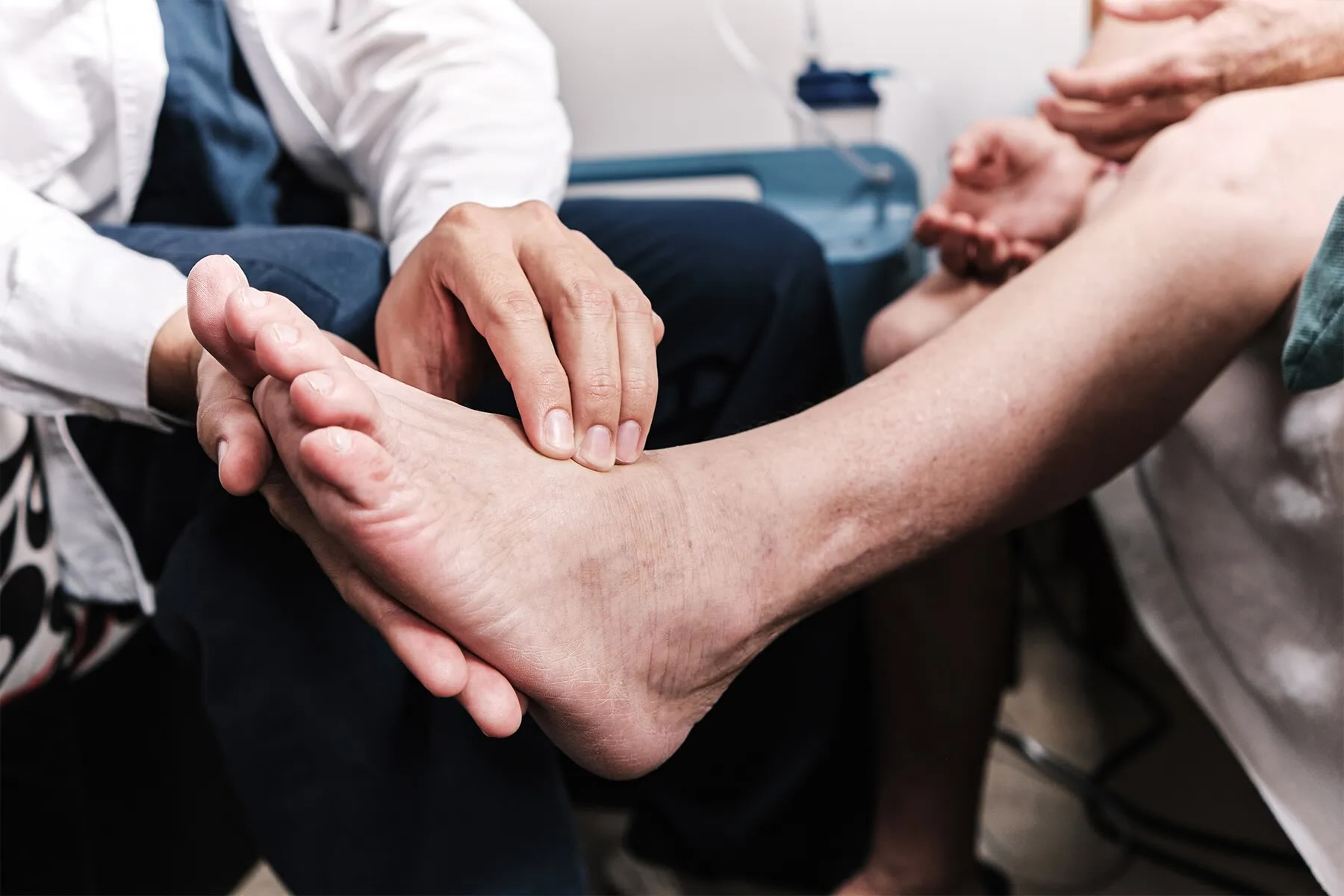
Taking a Natural Approach to Neuropathy Relief
Taking a Natural Approach to Neuropathy Relief
Neuropathy can turn simple daily activities into frustrating challenges. Walking across the room, standing for extended periods, driving, exercising, or even getting a good night’s sleep can become difficult when nerve pain, tingling, numbness, or burning sensations take hold. For many people, neuropathy symptoms gradually worsen over time, leading to decreased mobility, loss of independence, and a reduced quality of life.
While conventional medical treatments often focus on symptom management through medications, many people are searching for a more natural solution that addresses the underlying causes of their nerve dysfunction. At Faulkenberry Chiropractic, the focus is on helping patients find relief through personalized, non-invasive therapies designed to support nerve health, improve function, and help the body heal naturally rather than simply masking symptoms. According to the clinic, their neuropathy care emphasizes restoring nerve function naturally through individualized treatment plans and non-invasive therapies.
If you’re living with neuropathy, understanding your condition and exploring natural treatment options may help you take meaningful steps toward better health and improved comfort.
Understanding Neuropathy
Neuropathy, often referred to as peripheral neuropathy, occurs when nerves become damaged or dysfunctional. Peripheral nerves serve as communication pathways between the brain, spinal cord, and the rest of the body. When these nerves are damaged, messages may not travel properly, resulting in a wide variety of symptoms.
Because nerves control sensation, movement, and many automatic bodily functions, neuropathy can affect virtually every aspect of daily life. The condition commonly begins in the feet or hands but may progress to other areas if the underlying cause is not addressed.
Neuropathy is not a single disease. Instead, it is a symptom of nerve damage caused by various underlying factors. For more clinical information on how these nerve pathways are affected, you can read the comprehensive overview provided by the Mayo Clinic.
Common Causes of Neuropathy
Several health conditions and lifestyle factors can contribute to nerve damage. Identifying the root cause is an important step in developing an effective treatment plan.
Diabetes
Diabetes is one of the most common causes of peripheral neuropathy. Elevated blood sugar levels can damage nerves over time, particularly in the feet and lower legs. Diabetic neuropathy often develops gradually and may go unnoticed until symptoms become significant.
Poor Circulation
Nerves depend on a healthy blood supply for oxygen and nutrients. Reduced circulation can deprive nerves of what they need to function properly, contributing to nerve irritation and damage.
Injuries and Trauma
Physical injuries can compress, stretch, or sever nerves. Car accidents, sports injuries, repetitive strain, and falls may all contribute to neuropathic symptoms.
Autoimmune Conditions
Certain autoimmune disorders cause the body’s immune system to mistakenly attack healthy nerves, leading to inflammation and dysfunction.
Nutritional Deficiencies
Deficiencies in key nutrients, particularly B vitamins, can interfere with nerve function and contribute to neuropathy symptoms.
Exposure to Toxins
Certain chemicals, environmental toxins, and medications may damage nerve tissue over time.
Alcohol Abuse
Long-term alcohol consumption can lead to nutritional deficiencies and direct nerve damage, increasing neuropathy risk.
Spinal and Nerve Compression Issues
The nervous system relies on healthy communication between the brain, spinal cord, and peripheral nerves. Spinal misalignments, disc issues, and nerve compression may contribute to irritation and impaired nerve signaling. Chiropractic care often focuses on improving spinal alignment and reducing pressure on nerves to support overall nervous system function.
Recognizing Neuropathy Symptoms
Neuropathy symptoms vary significantly from person to person. Some individuals experience mild discomfort, while others struggle with severe pain and mobility limitations.
Common symptoms include:
-
Numbness in the hands or feet
-
Tingling sensations
-
Burning pain
-
Sharp or stabbing pain
-
Electric shock-like sensations
-
Muscle weakness
-
Poor coordination
-
Balance problems
-
Cramping and muscle spasms
-
Difficulty walking
-
Sensitivity to touch
-
Dizziness
-
Digestive issues
-
Bladder dysfunction
-
Changes in blood pressure or heart rate
These symptoms may come and go initially but often become more persistent as nerve damage progresses. Learn more about how we address these individual indicators on our Conditions We Treat page.
How Neuropathy Impacts Daily Life
Many people underestimate how much neuropathy can affect overall health and well-being.
Reduced Mobility
When feet become numb or painful, walking can feel unsafe and exhausting. Individuals may limit physical activity due to discomfort or fear of falling.
Increased Fall Risk
Loss of sensation and poor balance significantly increase the likelihood of falls and injuries, especially among older adults.
Sleep Disruption
Burning pain, tingling, and nighttime cramping frequently interfere with sleep quality. Many neuropathy sufferers report difficulty finding comfortable sleeping positions.
Emotional Stress
Chronic pain often affects mental health. Frustration, anxiety, and feelings of helplessness can develop when symptoms persist for months or years.
Loss of Independence
As symptoms worsen, everyday tasks such as cooking, shopping, exercising, and driving may become increasingly difficult.
These challenges highlight the importance of seeking treatment before nerve damage progresses further.
The Limitations of Symptom-Based Treatment
Many conventional neuropathy treatments focus primarily on managing symptoms rather than addressing underlying causes.
Prescription medications may temporarily reduce discomfort, but they often come with potential side effects. In many cases, medications do not improve nerve function or help damaged nerves recover. Instead, they may simply reduce pain perception.
Some patients find themselves relying on increasing doses over time while the underlying condition continues to progress.
This symptom-management approach leaves many individuals searching for alternatives that support long-term healing and improved nerve health. Faulkenberry Chiropractic specifically emphasizes helping patients address nerve dysfunction through non-invasive treatment strategies rather than relying solely on symptom suppression.
What Does a Natural Approach Mean?
A natural approach to neuropathy relief focuses on supporting the body’s ability to heal and function optimally.
Rather than simply masking symptoms, natural care seeks to:
-
Improve nerve health
-
Enhance circulation
-
Reduce inflammation
-
Support nervous system function
-
Address mechanical stress on nerves
-
Improve mobility and balance
-
Encourage healthy lifestyle changes
The goal is to create an environment where healing can occur while improving overall quality of life.
Chiropractic Care and Neuropathy
Many people are surprised to learn that chiropractic care may play a role in supporting neuropathy treatment.
The nervous system depends on proper communication between the brain, spinal cord, and peripheral nerves. Spinal misalignments may interfere with nerve signaling and contribute to dysfunction throughout the body.
Chiropractic adjustments focus on restoring spinal alignment, improving mobility, and reducing pressure on nerves. By helping the nervous system function more efficiently, chiropractic care may support the body’s natural healing processes. According to Faulkenberry Chiropractic, chiropractic adjustments are designed to relieve pressure on nerves, improve spinal alignment, restore movement, and support overall health without drugs or surgery.
For some neuropathy patients, addressing spinal dysfunction may be an important component of a comprehensive care plan. Discover more insights on the connection between spinal health and nerve function on our Blog.
Improving Circulation for Better Nerve Health
Healthy circulation is essential for nerve repair and maintenance.
Nerves require a continuous supply of oxygen and nutrients to function properly. When circulation is compromised, healing becomes more difficult.
Natural neuropathy care often includes strategies that promote better blood flow, helping nourish damaged tissues and support recovery. Increased circulation may also help reduce pain and improve sensation in affected areas.
Physical Therapy and Movement-Based Rehabilitation
Movement is medicine for many neuropathy sufferers.
Customized rehabilitation programs can help:
-
Improve strength
-
Enhance flexibility
-
Increase stability
-
Improve gait patterns
-
Reduce fall risk
-
Promote circulation
Faulkenberry Chiropractic offers customized rehabilitation and physical therapy programs designed to strengthen, stretch, and stabilize the body while supporting recovery and improved movement. You can review our full range of tailored recovery options on our Services page.
By gradually improving physical function, patients often regain confidence and independence.
Addressing Inflammation Naturally
Inflammation can contribute to nerve irritation and discomfort.
Natural strategies for reducing inflammation may include:
Anti-Inflammatory Nutrition
A nutrient-rich diet that emphasizes whole foods can support nerve health and reduce inflammatory processes.
Helpful foods may include:
-
Leafy green vegetables
-
Colorful fruits
-
Healthy fats
-
Fatty fish
-
Nuts and seeds
-
Lean proteins
Hydration
Adequate hydration supports circulation, tissue repair, and overall cellular function.
Regular Physical Activity
Exercise promotes circulation, reduces inflammation, and helps maintain healthy nerve function.
Stress Management
Chronic stress can contribute to inflammation throughout the body. Mindfulness practices, breathing exercises, and relaxation techniques may help support healing.
The Importance of Personalized Care
No two neuropathy cases are exactly alike.
Symptoms, causes, severity levels, and health histories vary significantly from one person to another.
For this reason, individualized treatment plans often produce better outcomes than one-size-fits-all approaches. Faulkenberry Chiropractic emphasizes personalized, non-invasive therapies that are tailored to each patient’s specific needs and symptoms. Meet our dedicated team and learn about our patient philosophy on our About Us page.
A comprehensive evaluation can help identify contributing factors and determine the most appropriate treatment strategies.
Why Early Intervention Matters
One of the biggest mistakes people make is waiting too long before seeking help.
Early intervention may offer several advantages:
-
Slowing progression
-
Improving function
-
Reducing discomfort
-
Supporting nerve recovery
-
Preventing further complications
The longer nerve damage persists, the more difficult it may become to restore normal function.
If you are experiencing persistent tingling, numbness, burning sensations, or weakness, it is important to seek a professional evaluation.
Building a Comprehensive Neuropathy Recovery Plan
Effective neuropathy care often combines multiple therapies working together.
A comprehensive natural treatment plan may include:
Chiropractic Care
Supporting nervous system function and spinal health.
Rehabilitation Exercises
Improving strength, stability, and movement.
Neuropathy-Specific Therapies
Targeted interventions designed to support nerve health and function.
Lifestyle Modifications
Addressing habits that may contribute to inflammation or poor circulation.
Nutritional Support
Providing the nutrients necessary for optimal nerve health.
Ongoing Monitoring
Tracking progress and adjusting treatment as needed.
This whole-body approach focuses on creating lasting improvements rather than temporary symptom relief.
Frequently Asked Questions
What is peripheral neuropathy?
Peripheral neuropathy is a condition involving damage or dysfunction of the peripheral nerves, often causing numbness, tingling, burning pain, weakness, and balance problems.
Can neuropathy be treated naturally?
Many patients pursue natural treatment options that focus on supporting nerve health, improving circulation, enhancing nervous system function, and addressing underlying causes rather than solely masking symptoms.
Does chiropractic care help neuropathy?
Chiropractic care may support neuropathy treatment by improving spinal alignment, reducing nerve interference, and helping the nervous system function more effectively.
What causes neuropathy?
Common causes include diabetes, injuries, autoimmune diseases, poor circulation, vitamin deficiencies, toxins, alcohol abuse, and certain medications.
Can neuropathy affect balance?
Yes. Loss of sensation in the feet and lower legs can significantly impact balance and coordination, increasing fall risk.
Is neuropathy permanent?
Some forms of neuropathy may improve when underlying causes are addressed and appropriate treatment is started early. Outcomes vary depending on the cause, severity, and duration of nerve damage.
When should I seek treatment?
If you experience persistent numbness, tingling, burning pain, weakness, or balance problems, it is important to seek a professional evaluation as soon as possible.
Conclusion
Neuropathy can affect nearly every aspect of life, from mobility and sleep quality to independence and emotional well-being. While conventional treatments often focus on symptom management, many individuals are discovering the benefits of a natural, comprehensive approach that seeks to address underlying causes and support the body’s healing abilities.
By focusing on nervous system health, circulation, mobility, rehabilitation, and personalized care, natural neuropathy treatment offers a promising path for those seeking lasting relief. At Faulkenberry Chiropractic, neuropathy care centers on non-invasive, individualized therapies designed to restore nerve function naturally, reduce discomfort, and help patients regain control of their lives.
If tingling, numbness, burning pain, or balance issues are interfering with your daily life, don’t wait for symptoms to worsen. The sooner nerve dysfunction is identified and addressed, the better your opportunity for improvement.
Contact Faulkenberry Chiropractic today to schedule a consultation and learn whether their personalized, non-invasive neuropathy care program may be right for you.
Faulkenberry Chiropractic
📍 Address: 11125 Arcade Dr, STE D, Little Rock, AR 72212
📞 Phone: (501) 225-1371
📧 Email: faulkenberrychiro@gmail.com
🌐 Website: Faulkenberry Chiropractic
Start your journey toward better nerve health, improved mobility, and a higher quality of life today.
Take the first step toward natural, lasting pain relief.
Talk with Dr. Faulkenberry about your symptoms and see if our non-surgical, root-cause approach is right for you.