
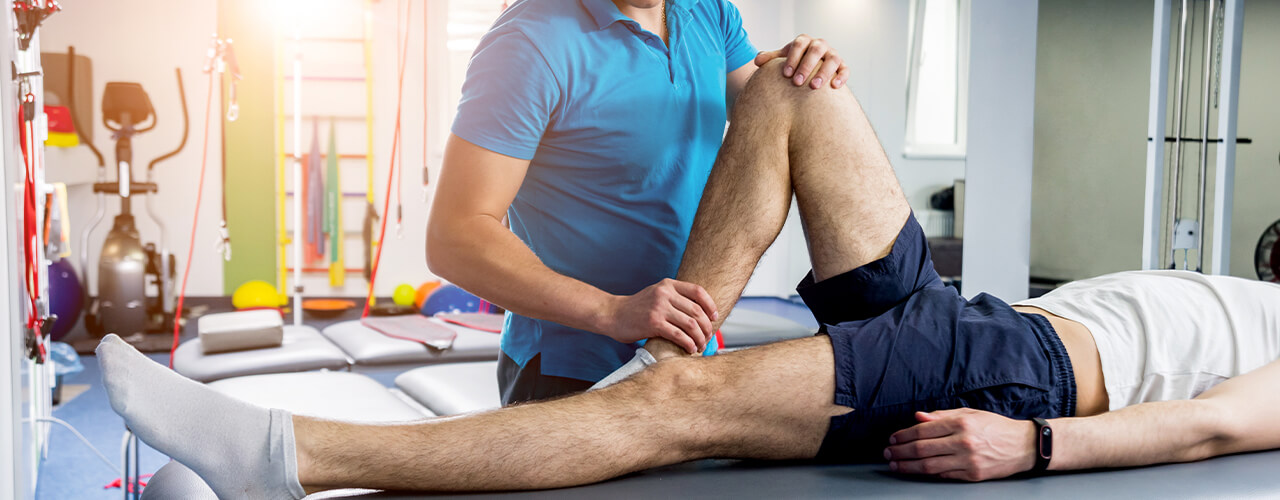
Recovering from pain or injury is only part of the journey. The real goal is making sure the problem does not come back. That is where rehabilitation therapy becomes one of the most important tools in modern healthcare. Whether someone is healing from a sports injury, car accident, surgery, chronic back pain, or repetitive strain, rehab therapy helps restore strength, improve movement, correct imbalances, and reduce the risk of future injuries.
At Faulkenberry Chiropractic, rehabilitation therapy is designed to help patients move better, feel stronger, and return to daily activities with confidence. Their approach focuses not only on relieving pain but also on improving long-term function and preventing recurring problems through personalized treatment plans.
Many people assume rehab therapy is only for professional athletes or post-surgical patients. In reality, rehabilitation can benefit almost anyone experiencing pain, weakness, stiffness, poor posture, mobility limitations, or recurring injuries. Modern rehab therapy combines movement science, strengthening exercises, mobility training, posture correction, and hands-on care to help the body function more efficiently.
Rehabilitation therapy is a structured treatment approach designed to restore physical function, mobility, flexibility, balance, coordination, and strength after injury or dysfunction. The purpose is not simply symptom relief. Effective rehab addresses the underlying causes of pain and instability so patients can avoid future setbacks.
At Faulkenberry Chiropractic, rehabilitation programs focus on helping patients retrain the body to move correctly and efficiently through targeted exercises, mobility work, and supportive therapies.
Rehab therapy can help patients recover from:
Sports injuries
Back pain
Neck pain
Shoulder injuries
Knee pain
Sciatica
Disc injuries
Auto accident injuries
Muscle strains
Tendonitis
Joint instability
Postural dysfunction
Chronic stiffness
Repetitive stress injuries
The body operates as one interconnected system. If one area becomes weak, stiff, or unstable, other areas compensate. Over time, those compensations can lead to pain, inflammation, reduced mobility, and recurring injuries.
Rehabilitation therapy works to restore balance throughout the body.
Many injuries recur because the root problem was never fully corrected. Pain relief alone does not guarantee complete healing.
For example:
A patient with knee pain may actually have weak hip stabilizers.
Chronic neck pain may stem from poor posture and spinal dysfunction.
Repeated ankle sprains often occur because balance and joint stability were never restored.
Lower back pain may result from weak core muscles and limited hip mobility.
Without proper rehabilitation, the body continues to move incorrectly, placing stress on vulnerable tissues.
This is one reason rehab therapy is so important. It identifies and corrects movement dysfunctions before they create larger problems.
According to rehabilitation principles discussed by Faulkenberry Chiropractic Rehabilitation Services, strengthening supportive muscles and improving movement efficiency can reduce stress on joints, ligaments, tendons, and connective tissues while enhancing posture, stability, and long-term function.
Weak muscles are one of the most common contributors to injury.
Muscles help stabilize joints and absorb physical stress during movement. When muscles are weak or imbalanced, ligaments, tendons, and joints are forced to handle more pressure than they were designed for.
This can lead to:
Sprains
Strains
Tendon injuries
Disc problems
Joint degeneration
Overuse injuries
Rehab therapy targets these weaknesses through controlled strengthening programs.
The core includes more than just abdominal muscles. It also involves spinal stabilizers, pelvic muscles, hip muscles, and deep postural muscles.
A weak core often contributes to:
Lower back pain
Hip instability
Poor posture
Balance issues
Increased fall risk
Rehabilitation exercises help improve core stability so the spine and pelvis remain properly supported during movement.
Strong muscles surrounding joints help improve stability and movement control.
For example:
Strong quadriceps and glutes help stabilize the knees.
Strong shoulder muscles improve upper body mechanics.
Strong ankle stabilizers reduce the risk of rolling the ankle again.
Improved stability reduces wear and tear on joints while helping patients move with greater confidence.
Strength alone is not enough. Mobility and flexibility are equally important for injury prevention.
Limited flexibility changes movement patterns and places abnormal stress on tissues.
For example:
Tight hip flexors may strain the lower back.
Limited ankle mobility may affect walking mechanics.
Tight hamstrings may increase stress on the spine and knees.
Shoulder stiffness may contribute to rotator cuff injuries.
Rehabilitation therapy includes stretching, mobility drills, and movement retraining to restore normal range of motion. According to clinical guides on physical recovery, such as those published by the Mayo Clinic, structured therapeutic exercises are vital for restoring full functional capacity and reducing long-term strain on the musculoskeletal system.
At Faulkenberry Chiropractic Physical Rehabilitation Services, mobility work is integrated with strengthening and hands-on therapy to help patients move more safely and efficiently.
Many injuries are caused not by one major trauma, but by repeated poor movement over time.
Examples include:
Improper lifting mechanics
Poor posture
Faulty walking patterns
Weak squat mechanics
Repetitive workplace motions
Overtraining during exercise
These dysfunctional patterns place repeated stress on tissues until injury occurs.
Rehabilitation specialists evaluate movement quality to identify these issues.
Patients may learn:
Proper lifting techniques
Better posture habits
Correct exercise form
Safer athletic movement
Improved ergonomic positioning
Correcting movement mechanics significantly lowers future injury risk.
Athletes place tremendous demands on their bodies. Even minor movement dysfunction can affect performance and increase injury risk.
Rehabilitation therapy helps athletes:
Improve flexibility
Increase strength
Enhance balance
Improve coordination
Increase power generation
Recover faster
Reduce reinjury risk
Sports rehab may include:
Plyometric training
Functional strengthening
Stability training
Agility exercises
Movement screening
Recovery protocols
At Faulkenberry Chiropractic, Dr. Melissa Faulkenberry has experience working with collegiate and professional athletes seeking treatment and rehabilitation support.
Not all injuries happen on athletic fields. Many develop slowly at work.
Common workplace-related problems include:
Neck pain from desk work
Lower back pain from lifting
Shoulder strain
Repetitive stress injuries
Wrist pain
Poor posture-related tension
Rehabilitation therapy can improve workplace function by addressing posture, ergonomics, and muscular imbalances.
Patients often learn:
Stretching routines for work
Safe lifting techniques
Postural exercises
Core stabilization
Ergonomic modifications
These changes can dramatically reduce strain during daily activities.
Even low-speed auto accidents can create lasting physical problems.
Whiplash, spinal misalignment, soft tissue injuries, muscle tension, and nerve irritation may continue long after the initial accident.
Without proper rehabilitation, scar tissue, stiffness, weakness, and poor movement patterns may develop.
Rehab therapy after an accident focuses on:
Restoring mobility
Reducing inflammation
Improving muscle function
Stabilizing the spine
Correcting posture
Rebuilding strength
Early intervention often improves long-term outcomes.
Rehabilitation therapy and chiropractic care often work together extremely well.
Chiropractic adjustments help improve joint alignment, spinal motion, and nervous system function. Rehabilitation therapy helps stabilize those improvements through strengthening and movement retraining.
At Faulkenberry Chiropractic, chiropractic care focuses on restoring spinal and joint function while helping the body heal naturally without drugs or surgery.
Combining chiropractic adjustments with rehab exercises can help patients:
Maintain spinal alignment
Improve muscular support
Enhance flexibility
Prevent recurring pain
Improve movement efficiency
Increase long-term stability
This integrated approach often produces more lasting results.
Balance declines with age, injury, inactivity, and neurological dysfunction.
Poor balance increases the risk of:
Falls
Ankle sprains
Knee injuries
Hip injuries
Coordination problems
Rehabilitation therapy frequently includes balance and proprioception training.
These exercises retrain the body’s awareness of position and movement.
Examples include:
Single-leg exercises
Stability drills
Balance board training
Functional movement exercises
Improving coordination helps the body react more efficiently during sudden movements and unexpected stress.
Many chronic pain conditions involve muscular dysfunction, weakness, and movement limitations.
Conditions that may benefit from rehab therapy include:
Chronic lower back pain
Neck tension
Arthritis
Fibromyalgia
Sciatica
Disc degeneration
Joint instability
Rehabilitation helps improve circulation, mobility, muscular endurance, and joint support.
According to Faulkenberry Chiropractic Rehabilitation Therapy Information, patients often experience improved comfort, mobility, posture, flexibility, and long-term function through rehabilitation programs. Evidence-based guidelines from institutions like the Mayo Clinic emphasize that physical rehabilitation is vital for restoring independent function and managing chronic pain effectively.
No two injuries are exactly alike.
Effective rehabilitation programs should be customized to the patient’s:
Condition
Activity level
Goals
Strength
Flexibility
Age
Mobility limitations
Injury history
A personalized treatment plan allows therapy to progress safely and effectively.
At Faulkenberry Chiropractic Services, treatment plans are designed around individual patient needs and functional goals.
Rehab therapy may involve several evidence-based approaches depending on the patient’s condition.
Structured exercises improve strength, mobility, endurance, and coordination.
Flexibility exercises help reduce stiffness and improve movement quality.
Hands-on techniques can improve tissue mobility and reduce tension.
These exercises improve joint support and body control.
Patients practice real-world movements to improve daily performance safely.
Poor posture is corrected to reduce strain on muscles and joints.
Coordination exercises reduce fall risk and improve movement efficiency.
The nervous system is retrained to improve proper movement patterns.
Physical injuries can also affect emotional well-being.
Chronic pain and mobility limitations may lead to:
Frustration
Fear of movement
Anxiety
Reduced confidence
Activity avoidance
Rehabilitation helps restore confidence by improving physical capability.
As patients regain strength and mobility, they often feel more empowered and optimistic about their recovery.
Recovery timelines vary depending on:
Injury severity
Patient health
Consistency with therapy
Age
Physical condition
Treatment goals
Some patients improve within weeks, while others require longer-term rehabilitation.
Consistency is critical.
Patients who actively participate in their treatment plans often achieve better long-term outcomes.
Many people wait too long before seeking rehabilitation.
You may benefit from rehab therapy if you experience:
Recurring injuries
Chronic pain
Weakness
Stiffness
Poor posture
Limited mobility
Joint instability
Difficulty exercising
Pain during movement
Balance problems
Slow recovery after injury
Early intervention can prevent small problems from becoming larger, more chronic conditions.
Rehabilitation is not just about recovering from injury. It is about improving overall quality of life.
When the body moves correctly:
Daily activities become easier
Exercise becomes safer
Pain decreases
Mobility improves
Energy levels often increase
Physical confidence grows
Patients who commit to rehab therapy frequently discover they feel stronger, more stable, and more capable than before their injury occurred.
That is the true power of rehabilitation: not simply restoring function, but improving it.
Rehabilitation therapy is a treatment approach that helps restore strength, mobility, flexibility, balance, and function after injury, pain, or physical dysfunction.
Yes. Rehabilitation therapy helps strengthen muscles, improve movement mechanics, increase flexibility, and correct imbalances that contribute to recurring injuries.
No. Rehab therapy benefits people of all ages and activity levels, including office workers, seniors, accident victims, and individuals with chronic pain.
Pain medication may temporarily reduce symptoms, but rehab therapy addresses underlying physical dysfunctions contributing to pain and injury.
Yes. Rehabilitation programs often improve core strength, posture, flexibility, and spinal stability, which may help reduce chronic back pain.
Treatment frequency varies depending on the condition, severity, and patient goals. A healthcare provider can recommend an appropriate schedule.
Some exercises may create mild soreness during recovery, but therapy is generally designed to improve comfort and function progressively and safely.
Yes. Chiropractic adjustments combined with rehabilitation exercises often help improve alignment, strength, stability, and long-term recovery outcomes.
Rehabilitation therapy plays a major role in helping patients recover stronger, move better, and reduce the risk of future injuries. Instead of masking symptoms, rehab addresses the root causes of dysfunction through strengthening, mobility training, posture correction, balance work, and movement retraining.
Whether recovering from sports injuries, chronic pain, auto accidents, repetitive strain, or spinal problems, rehabilitation therapy helps build a more stable and resilient body. The goal is not simply temporary relief. The goal is long-term function, confidence, and improved quality of life.
At Faulkenberry Chiropractic, patients receive personalized rehabilitation and chiropractic care designed to support healing, restore mobility, and prevent recurring injuries naturally.
If pain, weakness, stiffness, or recurring injuries are limiting your daily life, professional rehabilitation therapy may help you regain strength and confidence while preventing future problems.
📍 Address: 11125 Arcade Dr, STE D, Little Rock, AR 72212
📞 Phone: (501) 225-1371
📧 Email: faulkenberrychiro@gmail.com
🌐 Website: faulkenberrychiropractic.com
Schedule an appointment today and take the next step toward stronger movement, better recovery, and long-term wellness.
