
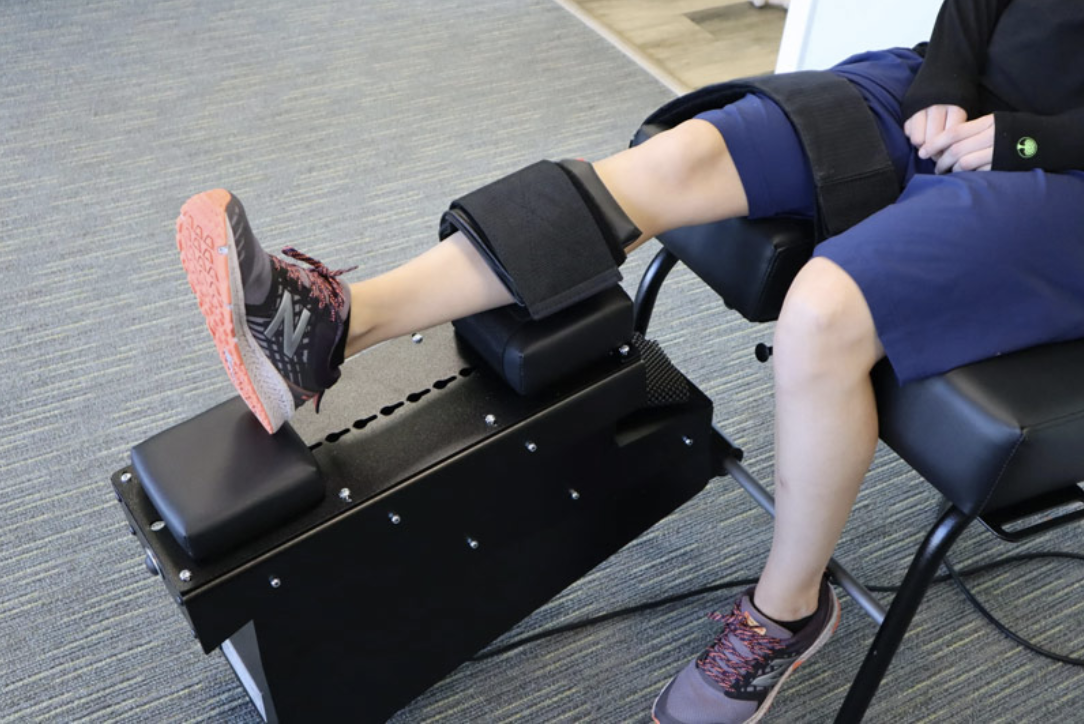
Knee pain is one of the most common health complaints today, affecting millions of adults worldwide. Chronic knee discomfort can significantly impact daily life, limiting mobility, making exercise difficult, and interfering with even the simplest activities like walking, climbing stairs, or standing for long periods. For many, this persistent pain leads to frustration, sleep disturbances, and a reduced quality of life.
Traditionally, surgery has been considered the go-to solution for severe knee issues, especially when other treatments fail. However, surgery comes with risks such as lengthy recovery times, possible complications, and significant costs, which can make it an unappealing option for many patients. Fortunately, there is a safe and effective non-surgical alternative: knee decompression therapy.
Knee decompression therapy works by gently stretching and realigning the knee joint, reducing pressure on cartilage, ligaments, and surrounding tissues. This therapy not only alleviates pain but also promotes natural healing, improves flexibility, and restores joint function.
In this article, we’ll dive deep into the benefits of knee decompression therapy, explain how it works, compare it to traditional surgical options, and provide guidance on exercises, lifestyle adjustments, and advanced treatments. You’ll also find real patient experiences and answers to common FAQs, helping you make informed decisions about managing your knee health effectively.
Chronic knee pain can arise from a variety of factors, and identifying the root cause is essential for effective treatment. One common cause is osteoarthritis, where cartilage gradually wears down, leading to stiffness, swelling, and pain. Injuries, such as ligament tears, meniscus damage, or fractures, can also result in long-term discomfort if not properly treated. Inflammatory conditions, including bursitis or tendinitis, irritate tissues and worsen pain over time. Additionally, biomechanical issues, like misaligned hips or legs, and lifestyle factors, such as obesity or repetitive strain, can place extra stress on the knees, contributing to chronic pain and reduced mobility.
Osteoarthritis is the most common cause of chronic knee pain, particularly in adults over 50. It occurs when the protective cartilage in the knee joint wears down over time, causing bones to rub against each other. This friction leads to pain, stiffness, swelling, and reduced range of motion. Osteoarthritis often develops gradually, and if untreated, it can severely limit mobility.
Sports injuries or accidents can cause long-term knee pain. Torn ligaments (ACL, MCL), meniscus tears, or fractures may not heal completely if not treated properly, resulting in chronic discomfort. Even minor injuries, if left untreated, can worsen over time.
Conditions like bursitis, tendinitis, or rheumatoid arthritis create inflammation in and around the knee joint. Chronic inflammation can erode cartilage, irritate surrounding tissues, and trigger persistent pain.
Misalignment of the legs, hips, or spine can place excessive stress on the knee joint. Subtle differences in gait or posture can gradually contribute to degeneration, resulting in chronic knee discomfort.
Obesity, sedentary habits, and repetitive strain from work or sports can worsen knee pain. Extra body weight increases stress on the knees, accelerating cartilage wear and increasing inflammation.
Chronic knee pain doesn’t just affect physical health—it can impact mental well-being, sleep quality, and overall mobility. Many patients struggle with dependence on pain medications or fear of surgery. This is where decompression therapy comes in as a non-invasive, highly effective solution.
Understanding knee anatomy helps explain why decompression therapy is effective. The knee is the largest joint in the body, consisting of:
Bones: Femur (thighbone), tibia (shinbone), and patella (kneecap).
Cartilage: Cushions between bones to absorb impact and prevent friction.
Ligaments: Connect bones and provide stability (ACL, PCL, MCL, LCL).
Tendons: Connect muscles to bones, enabling movement.
Synovial Membrane: Produces fluid for joint lubrication.
When these components are under stress, compressed, or inflamed, pain develops. Decompression therapy helps restore balance, alignment, and spacing in the joint, reducing pressure on nerves and cartilage.
Knee decompression therapy is a gentle, non-surgical technique designed to relieve pressure on the knee joint, improve alignment, and promote natural healing. It works by using mechanical traction or specialized devices to gently stretch the knee joint, increasing the space between bones, reducing compression on cartilage, and improving blood flow.
Pain Relief Without Drugs – Unlike medications that only mask pain, decompression addresses the underlying mechanical issues.
Non-Invasive – No incisions, anesthesia, or lengthy recovery periods.
Promotes Healing – Increased circulation delivers nutrients to damaged cartilage and tissues, accelerating repair.
Improves Mobility – Restores joint function, flexibility, and range of motion.
Reduces Inflammation – Gentle decompression helps reduce swelling and irritation in the knee joint.
Knee decompression therapy is based on the principle of traction, a gentle technique that carefully stretches the knee joint to relieve pressure on the bones, ligaments, and cartilage. By increasing the space within the joint, this method helps reduce compression, alleviate pain, and improve mobility. Traction also enhances blood flow and nutrient delivery to damaged tissues, supporting natural healing. Unlike invasive procedures, knee decompression is non-surgical and designed to be safe and comfortable, making it an effective treatment for chronic knee pain. Over time, it can restore function and help patients regain confidence in their movement.
Assessment – A chiropractor evaluates your knee to identify areas of compression, misalignment, and inflammation.
Positioning – The patient is comfortably positioned on a specialized table or device.
Traction Application – Gentle, controlled tension is applied to increase joint space.
Therapeutic Techniques – Soft tissue therapy, targeted exercises, and flexibility routines may be added.
Recovery and Monitoring – Progress is monitored regularly to optimize results.
By improving joint spacing and alignment, decompression reduces pressure on nerve endings and cartilage, alleviating pain and restoring function.
While knee surgery can be effective for severe cases, it comes with significant risks, including infection, blood clots, lengthy recovery, and anesthesia complications. Decompression therapy offers a safe, natural alternative without these risks.
AspectKnee SurgeryKnee Decompression TherapyInvasivenessHigh (incisions, anesthesia)Non-invasiveRecovery TimeWeeks to monthsDays to a few weeksRisk of ComplicationsModerate to highLowPain ManagementPost-surgery medicationNon-drug pain reliefLong-term BenefitsDepends on procedurePromotes natural healingCostExpensiveAffordable
For many patients, especially those with moderate osteoarthritis, mild ligament injuries, or chronic inflammation, decompression therapy provides a practical, low-risk, effective solution.
Knee decompression therapy is suitable for individuals experiencing:
Chronic knee pain from arthritis or degeneration
Post-injury stiffness or reduced range of motion
Knee discomfort from repetitive strain or sports activities
Mild to moderate cartilage wear
Patients seeking a non-surgical alternative
It’s essential to consult a licensed chiropractor or healthcare provider to determine whether decompression is right for your condition.
Most patients notice gradual improvement over several sessions. A typical knee decompression program may involve:
Initial Assessment and X-rays – Evaluate joint space, cartilage health, and alignment.
Treatment Sessions – 2–3 times per week, 20–40 minutes per session.
Supplementary Exercises – Targeted stretches and strengthening routines.
Lifestyle Recommendations – Weight management, anti-inflammatory nutrition, and activity modifications.
Results vary depending on severity, age, and overall health, but many patients report significant pain reduction and improved mobility within weeks.
In addition to knee decompression therapy, targeted exercises play a crucial role in strengthening the muscles surrounding the knee. These exercises enhance joint stability, support proper alignment, improve flexibility, and help prevent future injuries. Incorporating a consistent exercise routine can maximize the benefits of decompression therapy and promote long-term knee health.
Straight Leg Raises: Lie on your back, bend one knee, keep the other straight, and lift the straight leg to knee height. Repeat 10–15 times per leg.
Standing Hamstring Stretch: Place your heel on a low surface, keep your knee straight, and lean forward gently until you feel a stretch. Hold 20–30 seconds per leg.
Stand facing a wall, place hands on the wall, step one foot back, keep it flat, and lean forward. Hold 20–30 seconds per leg.
Swimming, cycling, and walking improve circulation and joint mobility without stressing the knees.
Lifestyle adjustments complement decompression therapy and reduce the risk of future knee problems:
Maintain a Healthy Weight – Every extra pound adds stress to the knees.
Follow an Anti-Inflammatory Diet – Include omega-3s, leafy greens, and lean proteins.
Stay Active – Avoid prolonged inactivity to prevent stiffness.
Wear Supportive Footwear – Proper shoes reduce strain on knees during daily activities.
Use Assistive Devices if Needed – Braces, compression sleeves, or walking aids can help during recovery.
Combining decompression with complementary treatments accelerates recovery:
Chiropractic Adjustments – Align the hips, spine, and legs to reduce knee strain.
Physical Therapy – Strengthen muscles around the knee to improve support.
Massage Therapy – Reduces muscle tension and improves circulation.
Cold and Heat Therapy – Manages inflammation and promotes blood flow.
Nutritional Support – Anti-inflammatory diet rich in omega-3s, vitamins, and minerals supports joint health.
For patients needing additional support, advanced therapies can be combined with decompression:
Platelet-Rich Plasma (PRP) Injections – Uses your own platelets to promote healing in damaged tissue.
Stem Cell Therapy – Helps regenerate cartilage and connective tissue.
Shockwave Therapy – Stimulates healing of inflamed or degenerated tissues.
These treatments are often used selectively for patients with more severe degeneration or slow recovery.
Mary, 62: “After years of knee pain from arthritis, I was dreading surgery. Knee decompression at Faulkenberry Chiropractic gave me relief in just a few sessions. I can walk and even climb stairs again!”
James, 45: “I injured my knee playing basketball. Surgery wasn’t an option due to work. Decompression therapy not only reduced my pain but restored my range of motion faster than I expected.”
Linda, 54: “I was skeptical at first, but after a month of therapy, my swelling decreased and I can enjoy my morning walks again. The staff is amazing and supportive throughout the process.”
Robert, 39: “I had chronic knee pain from running. Decompression therapy combined with targeted exercises improved my performance and eliminated the pain that had been limiting me for years.”
Q: Is knee decompression painful?
A: Most patients experience little to no discomfort. The therapy is gentle and controlled, with settings adjusted for individual comfort.
Q: How long until I see results?
A: Many patients notice improvement within 3–6 sessions, though optimal results may take a few weeks depending on severity.
Q: Can decompression therapy replace knee surgery?
A: For mild to moderate knee problems, yes. Severe cartilage loss or complex injuries may still require surgery.
Q: Are there side effects?
A: Side effects are minimal. Some patients may experience temporary soreness or mild stiffness after the first sessions.
Q: How often should I get treatment?
A: Typically 2–3 times per week initially, tapering as pain decreases and mobility improves.
Q: Can I continue normal activities during treatment?
A: Yes. Low-impact activities like swimming, cycling, or walking are encouraged.
Chronic knee pain doesn’t have to control your life or limit your daily activities. For many people, persistent discomfort can make even simple movements, such as walking, climbing stairs, or standing for long periods, a constant challenge. Knee decompression therapy offers a safe, non-surgical solution that goes beyond simply masking the pain. By gently stretching and realigning the knee joint, this therapy reduces pressure on ligaments, cartilage, and surrounding tissues, promoting natural healing and improved circulation.
Unlike temporary pain relief methods, decompression therapy addresses the underlying causes of knee discomfort, helping to restore joint function, increase flexibility, and improve overall mobility. Patients often experience not only reduced pain but also enhanced stability and confidence in their movement. With a structured treatment plan, supportive exercises, and lifestyle adjustments, knee decompression therapy empowers individuals to reclaim an active, pain-free life, allowing them to engage fully in work, hobbies, and everyday activities.
Don’t wait for knee pain to limit your life. Take the first step toward pain-free movement today. Contact Faulkenberry Chiropractic to schedule a consultation and discover how knee decompression therapy can help you regain mobility, strength, and confidence.
📍 Faulkenberry Chiropractic — Contact Details
Address: 11125 Arcade Dr, STE D, Little Rock, AR 72212
Phone: (501) 225-1371
Email: faulkenberrychiro@gmail.com
Website: www.faulkenberrychiropractic.com
