
How Spinal Decompression Helps Reduce Pressure on Nerves
How Spinal Decompression Helps Reduce Pressure on Nerves
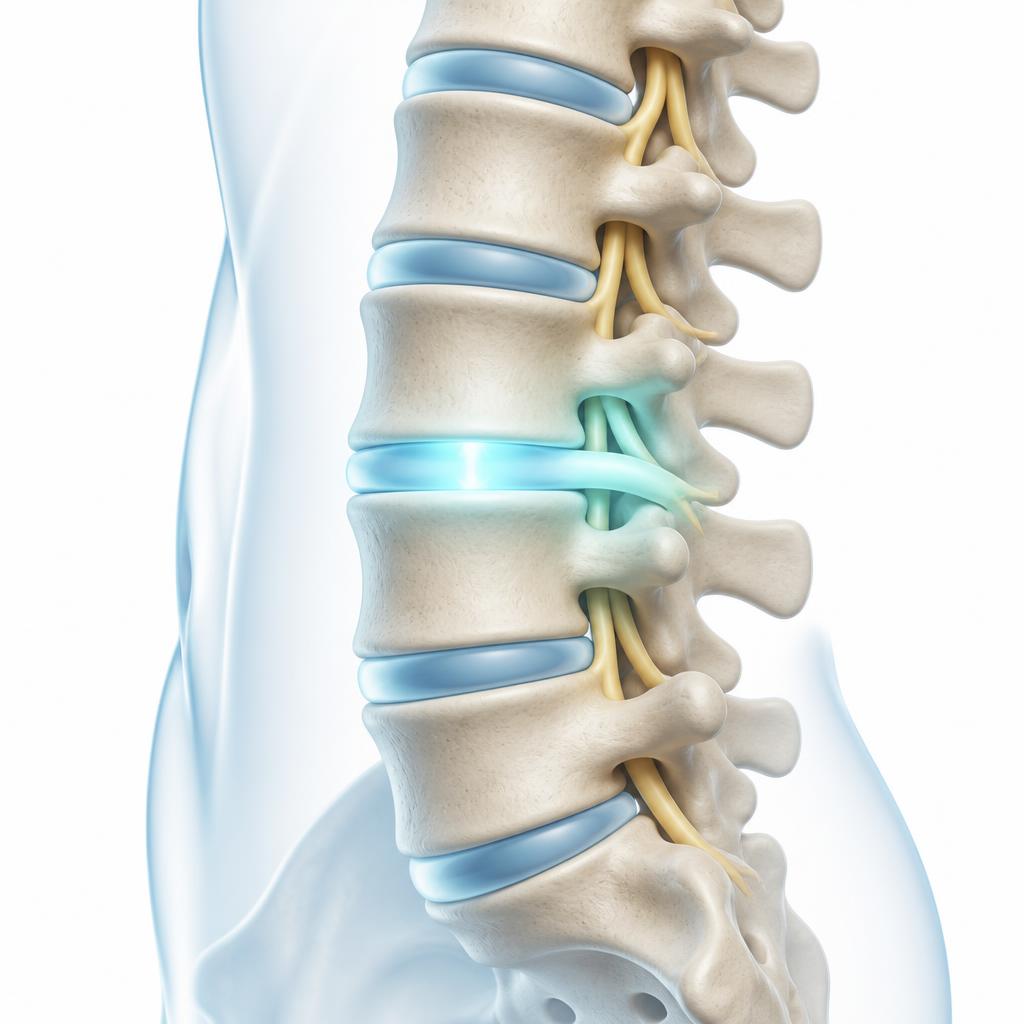
When a spinal disc bulges, herniates, or loses height, it can narrow the space around nearby nerves. The result is often sharp, shooting pain, numbness, tingling, or weakness that travels into the arms or legs. At Faulkenberry Chiropractic in Little Rock, AR, we use spinal decompression therapy to gently relieve that pressure and help the body heal naturally.
What Causes Nerve Pressure in the Spine?
Your spinal discs act as cushions between vertebrae. Over time, or after an injury, a disc can shift outward or flatten. When that happens, the inner material may press against a nerve root, causing irritation and inflammation. Common causes include herniated discs, degenerative disc disease, spinal stenosis, and repetitive stress. The symptoms often follow the path of the affected nerve, which is why sciatica can radiate from the lower back down the leg. Learn more about nerve-related back pain from Mayo Clinic.
How Spinal Decompression Therapy Works
Spinal decompression uses a computerized table to apply gentle, controlled traction to the spine. This negative pressure creates more room inside the disc space, encouraging the bulging material to retract and drawing in oxygen-rich fluids that support tissue repair. The process is non-surgical, comfortable, and tailored to each patient. For a deeper look at the science, see this overview from Cleveland Clinic.
Conditions That May Improve with Decompression
Spinal decompression is often recommended for people dealing with:
- Herniated or bulging discs
- Sciatica and radiating leg pain
- Degenerative disc disease
- Spinal stenosis-related nerve compression
- Pinched nerves in the neck or lower back
Because the therapy addresses the source of nerve pressure rather than masking symptoms, many patients experience longer-lasting relief.
What to Expect During Treatment
During a session, you lie comfortably on the decompression table while it slowly stretches and releases the spine in cycles. Most patients feel a gentle pulling sensation and find the experience relaxing. A typical care plan includes multiple sessions over several weeks, often combined with chiropractic care, laser therapy, or rehab exercises to support the surrounding muscles and joints.
Is Spinal Decompression Right for You?
Not everyone is a candidate for decompression, especially if you have certain spinal fractures, advanced osteoporosis, or an implanted spinal device. The best way to find out is through an evaluation. At Faulkenberry Chiropractic, we review your history, perform a focused exam, and recommend care only if it is appropriate for your condition. You can read more about back pain diagnosis and treatment options on NIAMS, or contact us to schedule a consultation.
If nerve pain is limiting your movement, spinal decompression may be a safe, non-surgical path toward relief. Request an appointment today and take the first step toward better spinal health.
Frequently Asked Questions
How does spinal decompression reduce nerve pressure?
By gently stretching the spine, decompression creates space between vertebrae, which can ease pressure on discs and nearby nerves.
What conditions is spinal decompression used for?
It is commonly used for herniated discs, bulging discs, sciatica, and degenerative disc disease.
Is Dr. Faulkenberry certified in spinal decompression?
Yes. Dr. Faulkenberry is a Disc Centers of America certified doctor.
Related articles
Numbness and Tingling in Your Feet: Why Your Balance Could Be Affected
August 17, 2026Too Much Sitting This School Year? How Spinal Decompression Helps Relieve Disc-Related Back Pain
August 10, 2026Back-to-School Spine Check: Why Parents, Teachers, and Students Benefit From Chiropractic Care
Take the first step toward natural, lasting pain relief.
Talk with Dr. Faulkenberry about your symptoms and see if our non-surgical, root-cause approach is right for you.