
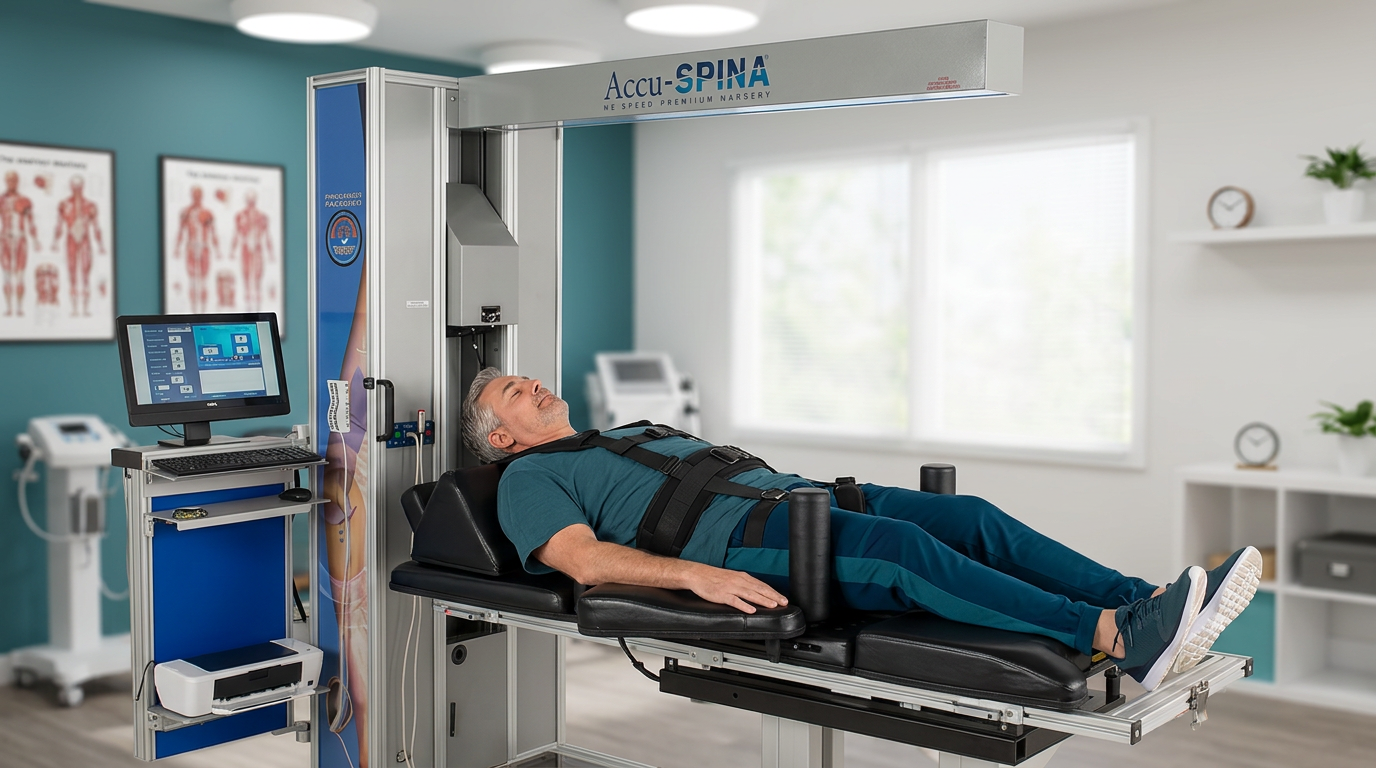
Creating Space for Healing Through Spinal Decompression
Creating Space for Healing Through Spinal Decompression
When the spine is compressed, discs flatten, joints stiffen, and nearby nerves get irritated. Creating even a small amount of space between vertebrae can be enough to relieve pressure and let the body begin healing itself. At Faulkenberry Chiropractic in Little Rock, AR, we use spinal decompression therapy to gently open that space and support long-term recovery — without drugs or surgery.
Why Space Matters in the Spine
Your spinal discs are the shock absorbers between each vertebra. Age, injury, poor posture, and repetitive stress can gradually compress them, narrowing the space available for nerves and reducing the flow of nutrients into the disc itself. That loss of space is often the hidden driver behind chronic back pain, sciatica, and stiffness. Learn more about how discs behave under pressure from Cleveland Clinic.
How Spinal Decompression Therapy Creates Space
Spinal decompression uses a computer-guided table to apply slow, gentle traction to the spine in cycles. Each cycle creates negative pressure inside the disc, which encourages bulging material to retract and pulls in oxygen, water, and nutrients that help the disc rehydrate and repair. Because the stretch is controlled and pain-free, most patients find the sessions deeply relaxing. The Mayo Clinic lists non-surgical traction as one of the conservative options for disc-related pain.
Conditions That Benefit From More Spinal Space
Decompression can help patients dealing with:
- Herniated or bulging discs
- Sciatica and radiating leg pain
- Degenerative disc disease
- Facet joint irritation and chronic low back pain
- Neck pain and pinched nerves
Rather than masking symptoms, the goal is to restore the environment your spine needs to heal.
Supporting the Body's Natural Healing Process
Decompression works best as part of a whole-body plan. Combining it with chiropractic adjustments, targeted rehab exercises, and lifestyle changes helps stabilize the results and prevent future flare-ups. Simple habits — staying hydrated, moving regularly, and improving posture — support the same healing process. The NIAMS back pain guide is a great primer on protecting your spine day to day.
What to Expect at Faulkenberry Chiropractic
Every plan starts with a thorough evaluation to make sure decompression is a good fit. Sessions are comfortable, take about 20–30 minutes, and are typically scheduled over several weeks. Many patients begin noticing improved mobility and reduced pain within the first few visits. If you're ready to explore a non-surgical path to relief, contact us to schedule a consultation.
Creating space in the spine can be the difference between managing pain and truly healing from it. Let's help your body do what it was designed to do — recover.
Frequently Asked Questions
What is spinal decompression?
Spinal decompression is a non-surgical treatment that gently stretches the spine to reduce pressure on discs and nerves.
What equipment does Faulkenberry Chiropractic use?
The clinic uses the Accu-SPINA® system, a computer-guided spinal decompression technology.
Is spinal decompression comfortable?
Most patients find sessions relaxing. You lie comfortably while the system applies gentle, controlled cycles.
Related articles
Take the first step toward natural, lasting pain relief.
Talk with Dr. Faulkenberry about your symptoms and see if our non-surgical, root-cause approach is right for you.